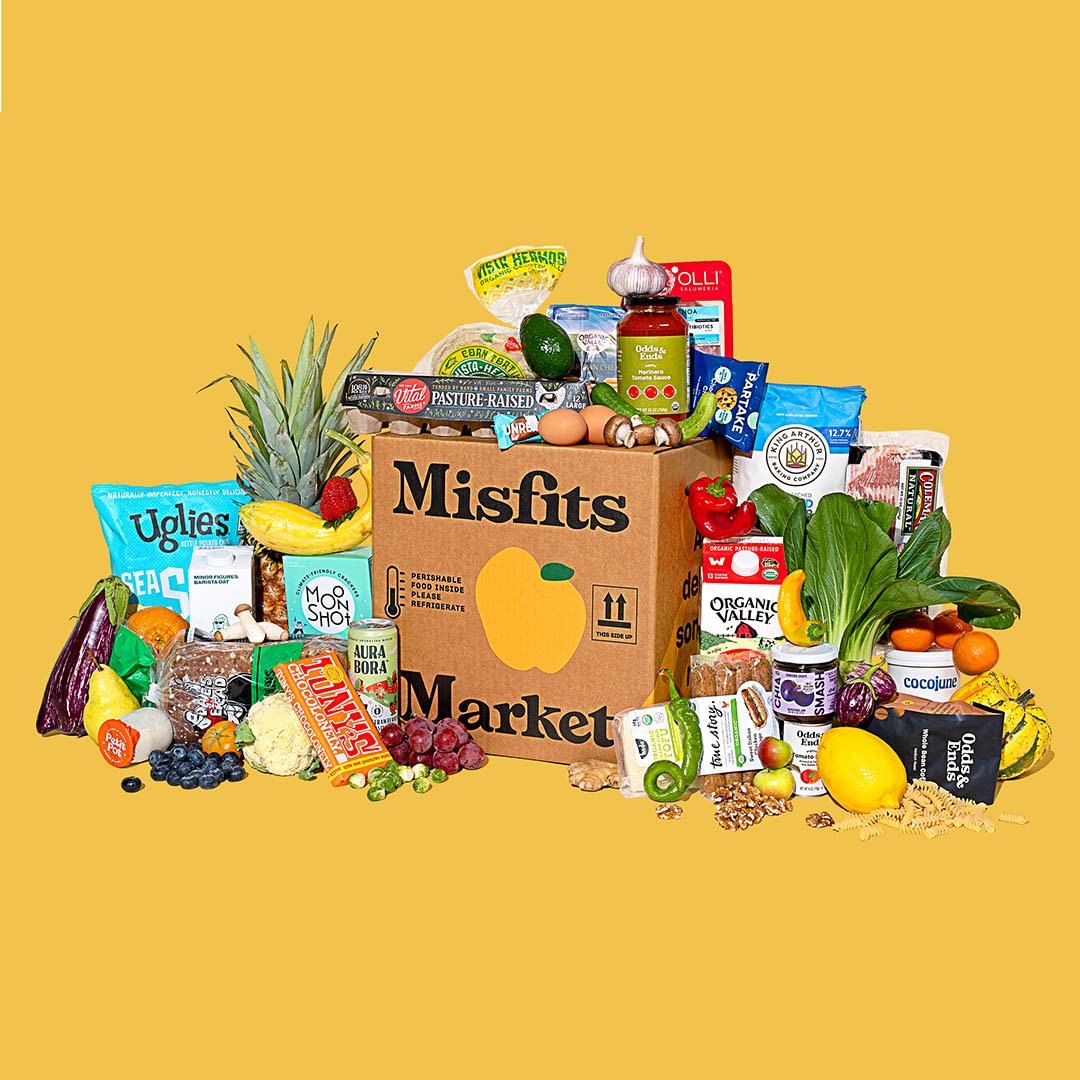
The food on your plate isn't just about nutrition; it's a quiet giant in the global climate crisis. When food goes to waste—from farms to grocery stores to your very own refrigerator—it generates a staggering 8-10% of annual global greenhouse gas emissions. To put that in perspective, that's nearly five times the carbon footprint of the entire aviation sector. It's a problem that demands innovative solutions, and that's precisely where Misfits Market's Environmental Impact & Sustainability Efforts step onto the scene.
This isn't just about saving a bruised apple; it's about fundamentally rethinking our food system to reduce waste, fight climate change, and build a more resilient future. Misfits Market, recognized by Fast Company as one of its 2024 Brands That Matter, has built its entire business model around tackling this colossal challenge, one rescued grocery box at a time.
At a Glance: Why Misfits Market Matters for the Planet
Choosing Misfits Market isn't just a way to save money; it's a direct contribution to environmental health. Here’s a quick look at the impact:
- Significant Food Waste Reduction: Annually diverts 50 million pounds of produce, preventing it from ending up in landfills.
- Major Emissions Savings: Prevents 130,000 metric tons of CO2 from entering the atmosphere each year, equivalent to taking roughly 28,000 cars off the road.
- Individual Impact: An average customer saves 5.01 pounds of food, 6.94 pounds of CO2e emissions, and 196.79 gallons of water with just one order.
- Reduced Carbon Footprint: Households purchasing imperfect produce boxes save 110 pounds of CO2 per month, and choosing Misfits Market can reduce an individual’s food-related carbon footprint by 15-20%.
- Sustainable Practices: Employs eco-friendly packaging, optimized logistics, energy-efficient operations, and supports ethical farming.
The Overlooked Giant: Food Waste's Climate Footprint
Before diving deeper into Misfits Market's solutions, it's crucial to grasp the scale of the problem they're addressing. Imagine all the energy, water, and resources that go into growing, harvesting, processing, packaging, and transporting food. When that food isn't eaten, all those resources are wasted, and the uneaten food often ends up in landfills, where it decomposes and releases methane, a potent greenhouse gas. This cycle exacerbates climate change, contributing significantly to global warming.
Globally, a third of all food produced for human consumption is lost or wasted. In the United States alone, an estimated 30-40% of the food supply goes uneaten. This isn't just about individual households throwing out leftovers; it encompasses produce deemed "ugly" by cosmetic standards, surplus harvests, goods nearing their sell-by date, and packaging errors—all perfectly good food diverted from consumption. This is where Misfits Market steps in, creating a vital bridge between surplus and supper.
From Farm to Fridge: How Misfits Market Champions Food Rescue
At its core, Misfits Market is a mission-driven grocery delivery service built on the principle of food rescue. They've created a direct supply chain that prioritizes saving food that would otherwise be wasted or overlooked, offering it to consumers at a significant discount.
Saving the "Misfits": Their Core Business Model
Misfits Market's journey begins at the farm gate and with food producers. They partner directly with farmers to rescue high-quality fruits and vegetables that might not meet conventional aesthetic standards—think slightly misshapen potatoes, oddly sized carrots, or peaches with minor blemishes. These "misfits" are every bit as delicious and nutritious as their perfectly symmetrical counterparts but often get rejected by traditional grocery channels.
Beyond produce, Misfits Market also works with producers to save surplus packaged goods. This could be due to overproduction, changes in demand, packaging updates, or approaching best-by dates (but still perfectly safe and delicious). By purchasing these items directly, Misfits Market not only rescues food but also offers these goods to customers at up to 30% off traditional grocery store prices, making healthy eating more accessible. This model fundamentally disrupts the linear "grow, sell, waste" system by creating a secondary, more resilient market for food.
The Tangible Impact of Each Box
The cumulative effect of these individual purchases translates into substantial environmental benefits:
- Customer-Level Impact: Every time you receive a Misfits Market order, you're making a measurable difference. On average, a single customer order saves 5.01 pounds of food from waste, prevents 6.94 pounds of CO2e emissions from entering the atmosphere, and conserves an impressive 196.79 gallons of water. These are not abstract figures; they represent real resources saved and pollution avoided.
- Company-Wide Scale: Annually, Misfits Market diverts a staggering 50 million pounds of produce. This effort prevents the equivalent of 130,000 metric tons of CO2 from entering the atmosphere—a figure comparable to the annual emissions from approximately 28,000 cars. This large-scale intervention demonstrates the power of a collective, purpose-driven approach to grocery shopping.
- Scientific Validation: A University of Michigan study further underlined this impact, finding that households regularly purchasing imperfect produce boxes saved 110 pounds of CO2 per month compared to buying the same items at a supermarket. This isn't just about individual choices; it points to a systemic shift that can reduce an individual’s food-related carbon footprint by 15-20%.
Beyond the Box: A Holistic Approach to Sustainability
Misfits Market's commitment to sustainability extends far beyond just rescuing food. They integrate eco-conscious practices throughout their entire operation, from supporting ethical agriculture to optimizing their logistics and packaging.
Supporting Sustainable Agriculture
The journey of food begins with the soil. Misfits Market understands that true sustainability means not just rescuing the harvest, but also supporting the way food is grown. They actively partner with farmers who employ ethical farming practices that prioritize long-term ecological health. This includes:
- Biodiversity: Encouraging diverse cropping systems that support a variety of plant and animal life, making farms more resilient to pests and diseases.
- Minimized Chemical Inputs: Supporting growers who reduce or eliminate synthetic pesticides, herbicides, and fertilizers, protecting soil health and water quality.
- Cover Cropping: Promoting the use of cover crops, which protect and enrich the soil between growing seasons, reducing erosion and improving nutrient cycling.
- Integrated Pest Management (IPM): Partnering with farmers who use holistic, environmentally sensitive approaches to pest management, minimizing reliance on chemical interventions.
By consciously choosing partners who share these values, Misfits Market fosters a more sustainable and regenerative agricultural landscape, addressing environmental impact at the source.
Packaging That Doesn't Cost the Earth
One of the often-overlooked aspects of food delivery is packaging. Misfits Market has made significant strides in this area, recognizing that sustainable solutions need to extend to every part of the customer experience.
- Compostable Materials: For items requiring insulation, Misfits Market utilizes plant-based cornstarch or mushroom mycelium for insulated liners. These innovative materials are designed to decompose naturally within 90 days in commercial compost facilities, significantly reducing landfill waste.
- Minimalist & Recyclable Packaging: They prioritize minimalist packaging, often packing loose produce directly into recyclable cardboard boxes. This reduces unnecessary plastic wraps and containers.
- Reusable Ice Packs: To keep perishables fresh, Misfits Market includes reusable ice packs, encouraging customers to either re-freeze and reuse them or dispose of the contents (usually a non-toxic gel) and recycle the plastic shell.
- Nationwide Packaging Return Program: For an even more closed-loop system, Misfits Market offers a nationwide packaging return program. This allows customers to send back certain packaging components for reuse or specialized recycling, further reducing waste.
This thoughtful approach to packaging demonstrates a commitment to reducing waste even after the groceries arrive at your door.
Smart Operations: Efficiency from Warehouse to Your Doorstep
The environmental footprint of a delivery service can be significant, largely due to transportation and energy consumption. Misfits Market has invested in smart operational strategies to minimize these impacts:
- Optimized Delivery Routes: Leveraging sophisticated data analytics, Misfits Market meticulously plans its delivery routes. This isn't just about getting groceries to you faster; it's about reducing travel distances by up to 20%, which directly translates to less fuel consumption and fewer emissions per delivery.
- Energy-Efficient Warehouses: Their smart warehouses are designed with sustainability in mind. Features like motion-sensor LED lighting ensure that lights are only on when needed, and state-of-the-art energy-efficient refrigeration systems are designed to reduce overall energy consumption by a remarkable 30%.
- Renewable Energy Investment: Going a step further, the company has also invested in solar panels for its warehouses, harnessing clean, renewable energy to power its operations and further reduce its carbon footprint.
These operational efficiencies are crucial for a delivery-based service to genuinely be sustainable, ensuring the good done by rescuing food isn't offset by inefficient logistics.
Giving Back: Community Impact & Food Security
Misfits Market's mission isn't solely focused on environmental sustainability; it also deeply intertwines with social responsibility and food security. The company actively works to ensure that surplus food not sold through its platform still serves a purpose for those in need.
In 2023 alone, Misfits Market donated over 6 million pounds of food to more than 60 food bank and pantry partners across the country. This significant contribution directly addresses food insecurity in communities, providing nutritious meals to individuals and families who might otherwise go without. Furthermore, their partnership with Feeding America has resulted in the donation of 1.5 million meals, amplifying their reach and impact on a national scale.
This dual commitment to environmental stewardship and community welfare highlights a holistic view of sustainability, recognizing that a healthy planet and healthy people are inextricably linked.
Your Role in the Misfits Movement: Actionable Insights for Consumers
Being a Misfits Market customer is already a step towards a more sustainable lifestyle. But you can amplify your positive impact even further with a few conscious choices.
Maximizing Your Impact with Misfits Market
Your actions at home play a critical role in closing the loop on food waste:
- Plan Meals Around Your Box: Instead of creating a grocery list and then shopping, try a "reverse meal plan." Open your Misfits Market box first, see what delicious and unique items you've received, and then plan your meals around those ingredients. This ensures everything gets used and minimizes additional grocery store trips.
- Compost Unavoidable Food Scraps: Even with the best intentions, some food scraps are unavoidable (e.g., banana peels, coffee grounds). Composting these items at home or through a local service diverts them from landfills, preventing methane emissions and creating nutrient-rich soil.
- Share or Donate Surplus Food: If you find yourself with more food than you can eat from your Misfits Market delivery, don't let it go to waste. Share it with neighbors, friends, or donate non-perishable items to a local food bank or community pantry.
Handling Packaging Responsibly
Misfits Market provides sustainable packaging, but its full environmental benefit depends on proper disposal:
- Seek Commercial Composting: For items like plant-based cornstarch or mushroom mycelium liners, proper disposal in a commercial composting facility ensures they break down fully. Check with your local waste management services for options in your area. If commercial composting isn't available, home composting for some materials or finding creative reuse opportunities is the next best step.
- Reuse Cardboard Boxes: The sturdy cardboard boxes your groceries arrive in are perfect for reuse—for storage, moving, or even fun craft projects. If you can't reuse them, flatten and recycle them according to your local guidelines.
Smart Shopping for a Smaller Footprint
Beyond the box, consider these broader habits:
- Inspect and Store Promptly: As soon as your delivery arrives, inspect your items and store them properly. Correct storage can significantly extend the shelf life of produce and other goods, minimizing spoilage.
- Select Organic Options: When available through Misfits Market, choosing organic produce further reduces your environmental impact by supporting farming practices that avoid synthetic pesticides and fertilizers, which contributes to healthier ecosystems and lower greenhouse gas emissions.
- Consolidate Orders: To align with Misfits Market's optimized delivery routes and minimize the overall transportation footprint, consider opting for bulk deliveries or consolidating your orders. Less frequent, larger quantity orders mean fewer delivery trips, further contributing to reduced emissions.
Addressing Common Questions About Misfits Market's Green Credentials
It's natural to have questions about the true environmental benefits of any service, especially one involving food delivery.
Is Misfits Market really more sustainable than a traditional grocery store trip?
This is a nuanced question. While a traditional grocery trip might seem to have a smaller carbon footprint if you walk or bike, most people drive to the supermarket. Studies suggest that Misfits Market's model, despite involving delivery, can be more sustainable. Here's why:
- Food Waste Prevention: The core of Misfits Market's impact is preventing food from being wasted. The emissions associated with wasted food (production, transport, and decomposition in landfills) are enormous. By diverting this food, they offset a significant amount of GHG.
- Optimized Logistics: Misfits Market's use of data analytics to optimize delivery routes means their vans are transporting more goods more efficiently to multiple households, often resulting in lower per-item emissions compared to individual car trips to multiple stores.
- Sustainable Packaging & Operations: Their efforts in compostable packaging, energy-efficient warehouses, and solar power further reduce their overall footprint.
While individual circumstances vary, the holistic approach to food waste reduction and optimized operations makes Misfits Market a compelling choice for many environmentally conscious consumers.
How does Misfits Market verify its farmers' ethical practices?
Misfits Market builds direct relationships with its network of farmers and producers. This involves a vetting process that considers their farming methods, commitment to sustainable practices (like those mentioned earlier regarding biodiversity, minimal chemical inputs, etc.), and their overall operational ethics. They prioritize partners who align with their mission of reducing waste and promoting environmental stewardship. This direct relationship allows for greater transparency and accountability than traditional, multi-layered supply chains.
What if I don't have access to commercial composting for the packaging?
If commercial composting isn't readily available in your area for the plant-based liners, you still have options: - Home Composting (with caveats): While home compost piles are generally cooler than commercial facilities, some plant-based materials may eventually break down. However, it will take much longer, and results can vary. Check the specific instructions on the packaging.
- Reuse & Recycle: The cardboard boxes are easily recyclable. Reusable ice packs can be used for lunch boxes or picnics. For other materials, prioritize reuse where possible (e.g., using liners as protective packing material) or consult local waste services for any specific guidelines.
- Advocate: You can also advocate for commercial composting services in your community to help build the necessary infrastructure.
The Bigger Picture: Misfits Market in the Fight Against Climate Change
The challenge of food waste is immense, but so is the potential for positive change. Misfits Market has proven that a business can be both profitable and purpose-driven, making a substantial dent in one of the most pressing environmental issues of our time. By rescuing food, supporting sustainable agriculture, pioneering eco-friendly packaging, and optimizing their operations, they offer a tangible solution to a global problem.
For you, the consumer, choosing Misfits Market is more than just a grocery delivery; it’s an active participation in a movement. It empowers you to reduce your carbon footprint, support ethical producers, and make a direct contribution to fighting climate change with every order. If you're weighing the pros and cons and want to dive deeper into whether this model aligns with your personal values and needs, you can Decide if Misfits Market is worth it for yourself. Your choices have power, and together, they can create a more sustainable, food-secure future.